
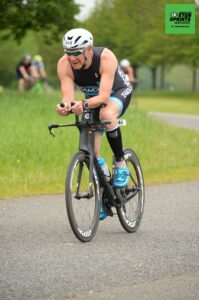
There are many reasons for people taking up triathlons or other types of multisport. Mine was almost by accident after starting cycling with a chunky wheeled hybrid during the 2012 Olympics, completing a London to Paris bike ride and being asked to be part of a relay team for the Abu Dhabi Triathlon in 2014. Having never trained properly for around 30 years something clicked and I really felt great.
Others take up triathlon after an injury in a single sport discipline. I started for fun, but it soon took a grip and you start challenging yourself to get better, and go further……..suddenly the training is taking up more and more time and you wonder how you’re going to fit it all in.
Firstly, sit down and list what your goals are and think how much commitment is needed to achieve them. People say “I’ll have time and fit it all in” or “I can do three or four hours a day training”, but remember you have to sleep, and five hours sleep is just not enough in the long term.
Take a good look at everything and everyone around you, family, friends, work, social life. Also, make sure you allocate enough sleep time. It’s a perfect life to get the eight hours sleep everyone recommends, but most are not luckily enough to be in that position, so put down a sensible number, even if it’s just 7 hours. After looking at all the above, look at the time you have left.
Yes, you can do an Ironman on eight hours training a week, but it will be “completing it”, not giving it everything to get a good time. So be realistic on what events you enter, based around your goals and the hours per week you can commit to training. This is an important part of my initial discussion with athletes.
Make sure your training sessions count. I’m a firm believer in quality over quantity, especially during the winter months. Doing a good “Key session” hour on a turbo trainer will be more beneficial than going out in the rain, cold and wind. Who enjoys wrapping up against the elements to just “ride your bike for three hours”. Make every session count. Identify your Key Sessions for the week and focus on them and if you have to miss one of the other sessions, you can drop it without worrying too much.
Turbo trainers can be a good tool for when you’re at home, or don’t have the longer time needed for various reasons.
I make sure when setting an athletes weekly session plan to ask what days are difficult and set their week accordingly. Planning ahead will remove a lot of the stress and worry and not trying to fit in training at short notice or trying to catch up on missed sessions.
Remember – Fitness is not about being better than someone else….It’s about being better than you used to be.